Tile Roof Partial Lift and Reset on a Northwest Area Single-Story Home
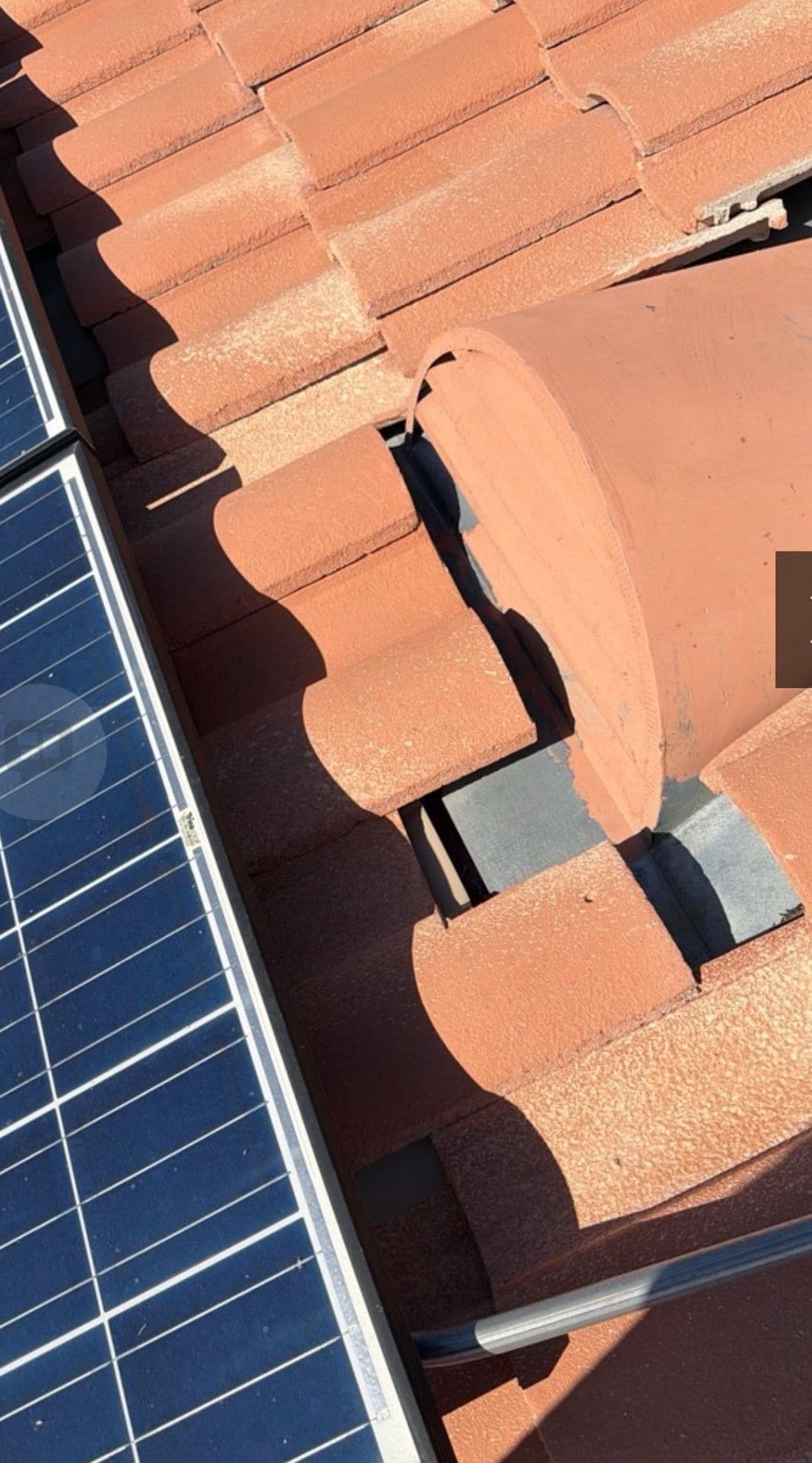
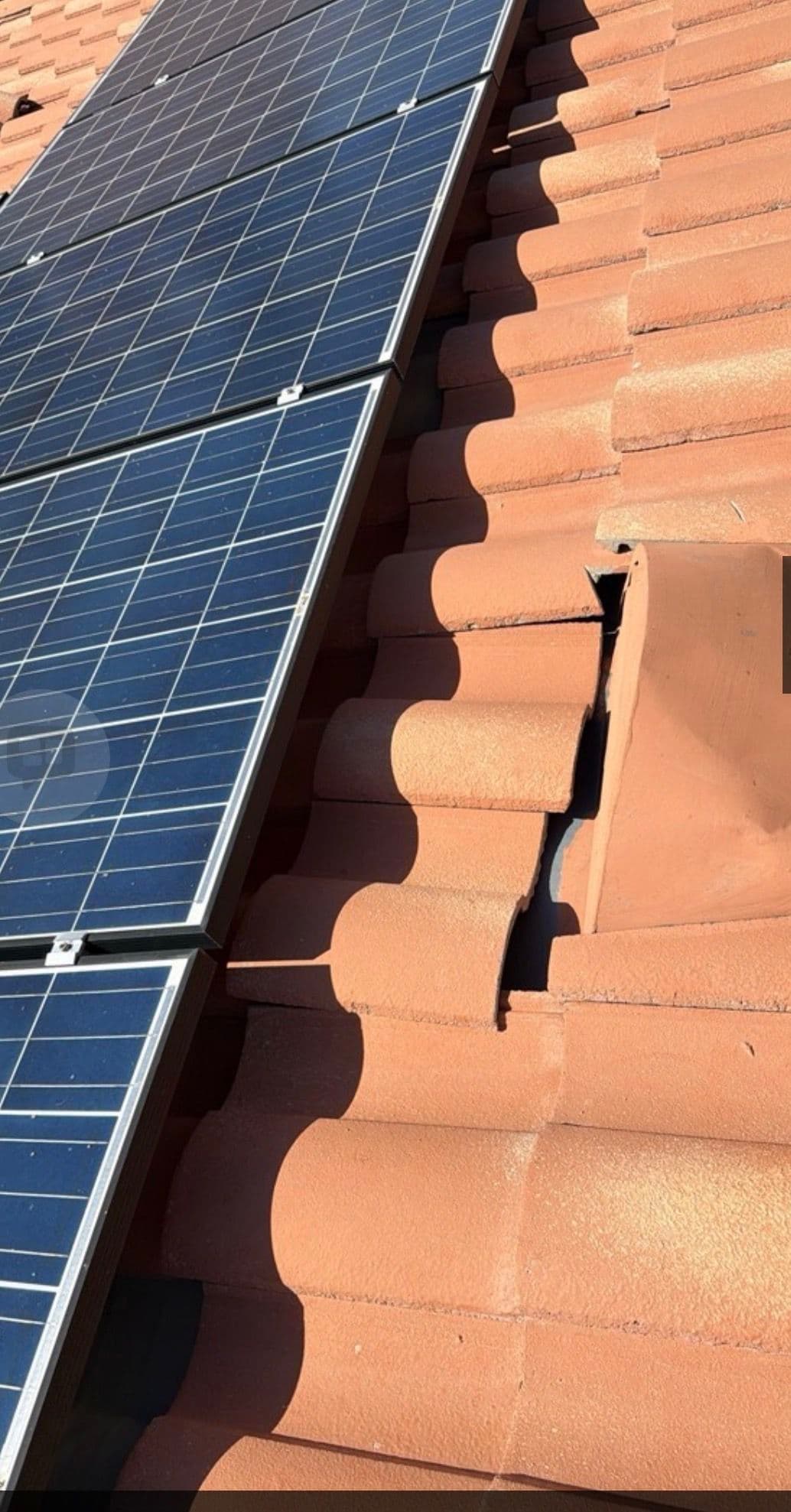
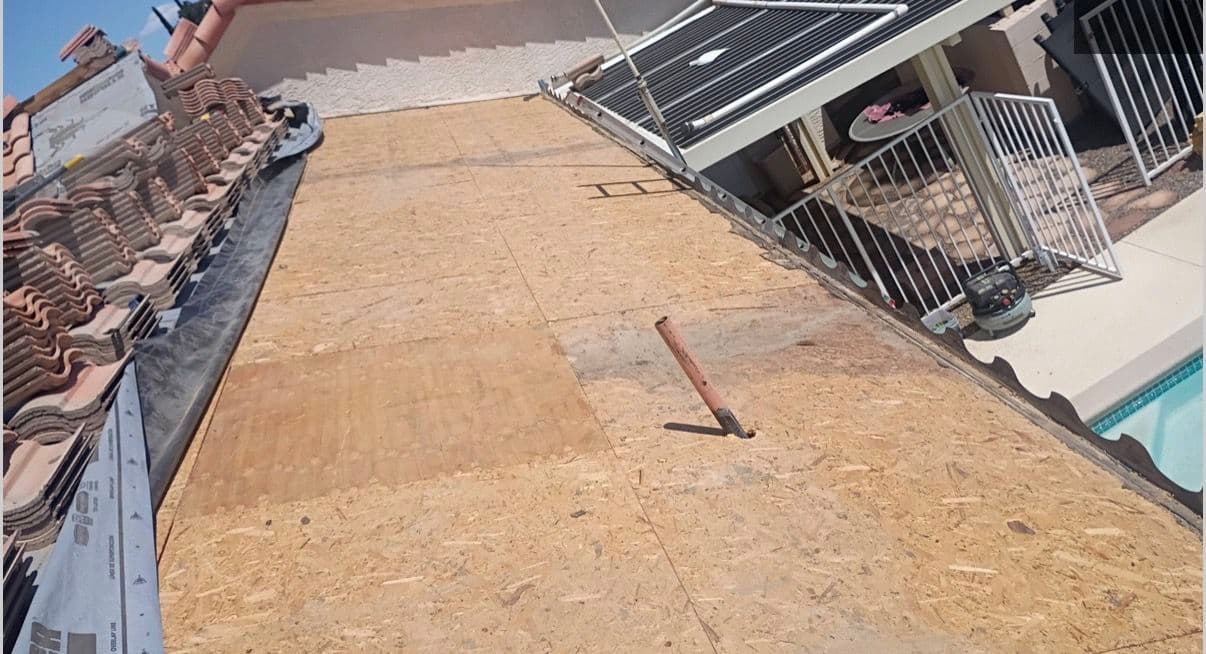
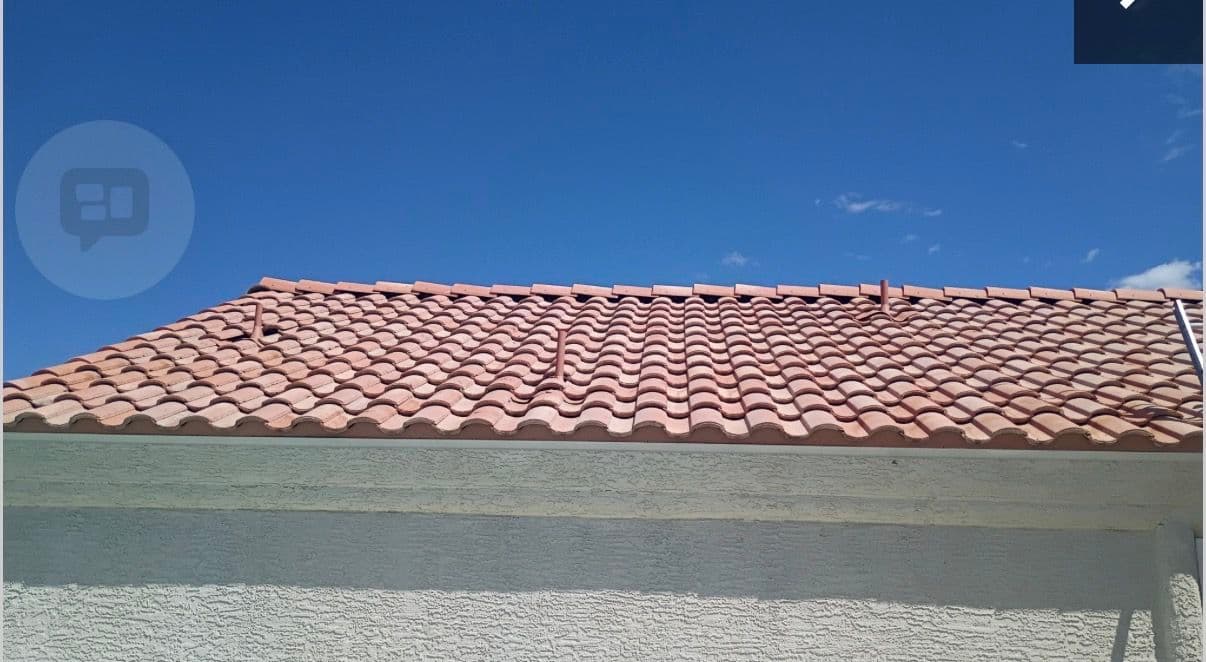
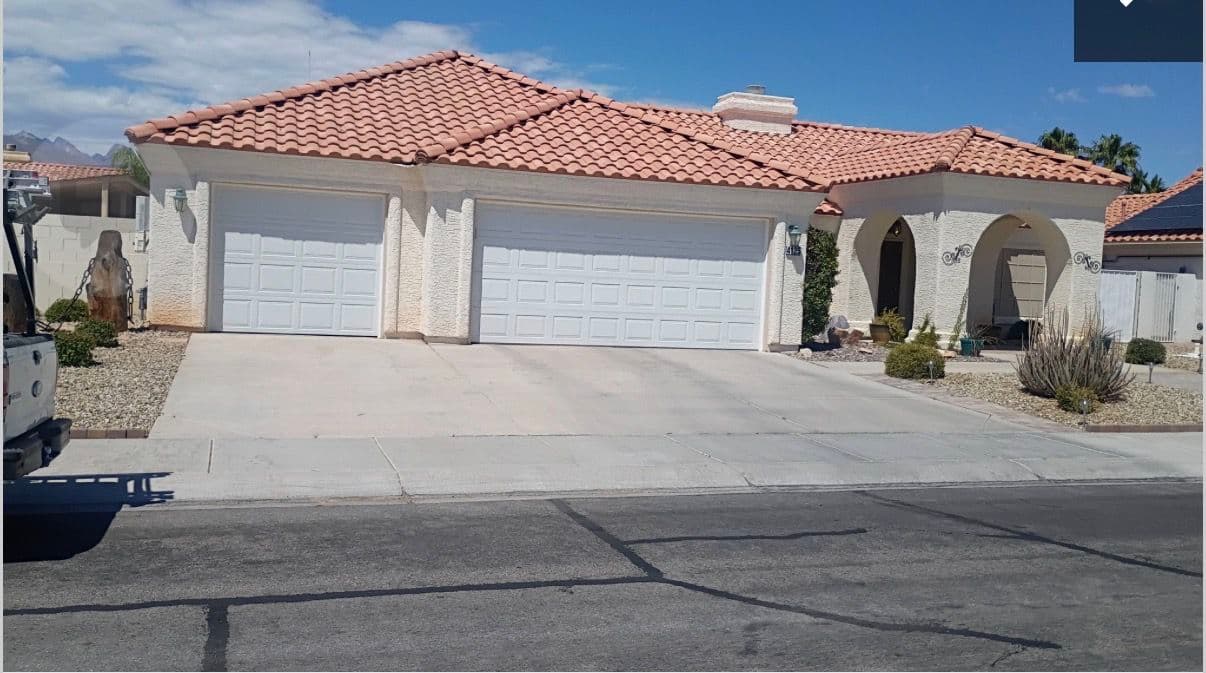
A lot of homeowners assume that if their tile roof is having problems, they're looking at a full replacement. That's not always the case. On this single-story home in the northwest area, the roof had some clear problem areas - displaced and cracked tiles near the solar panels, gaps where tiles had shifted, and underlayment that had run its course. The tiles themselves were still good. So we did what made sense: a partial lift and reset.
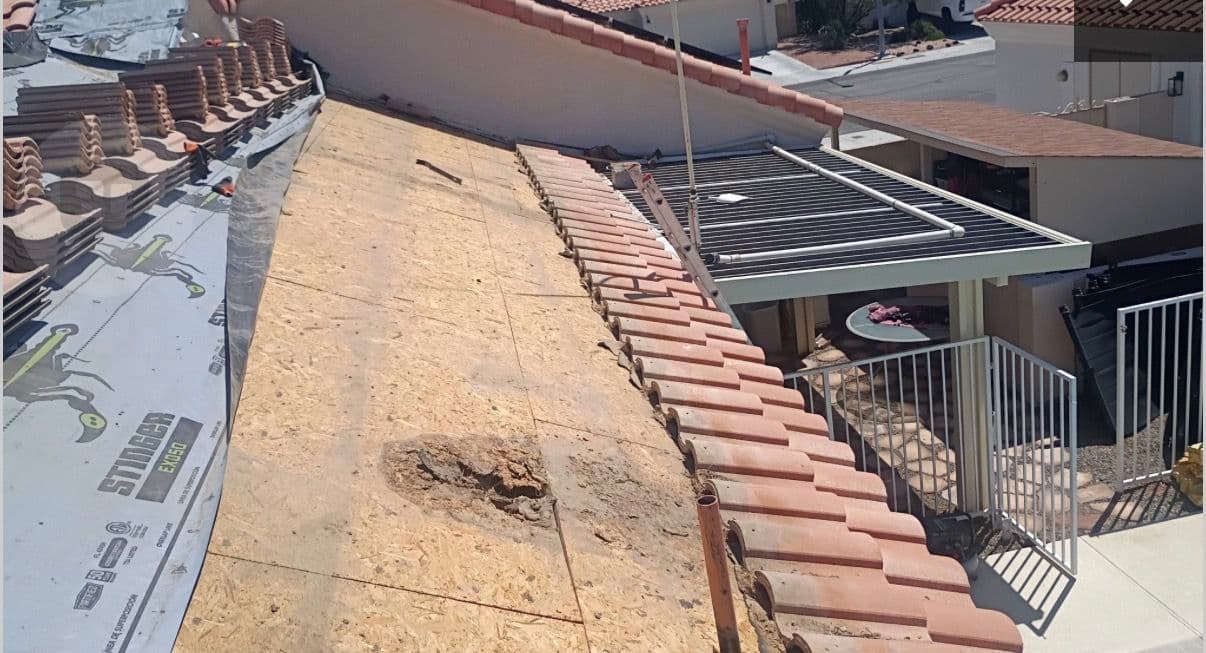
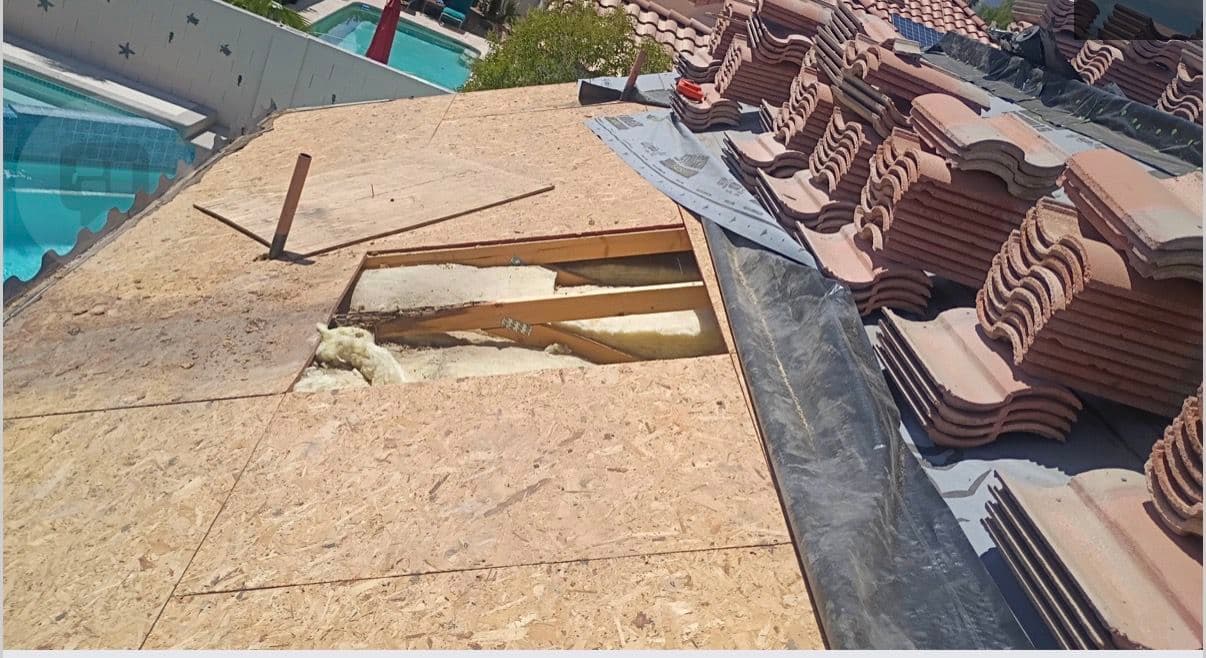
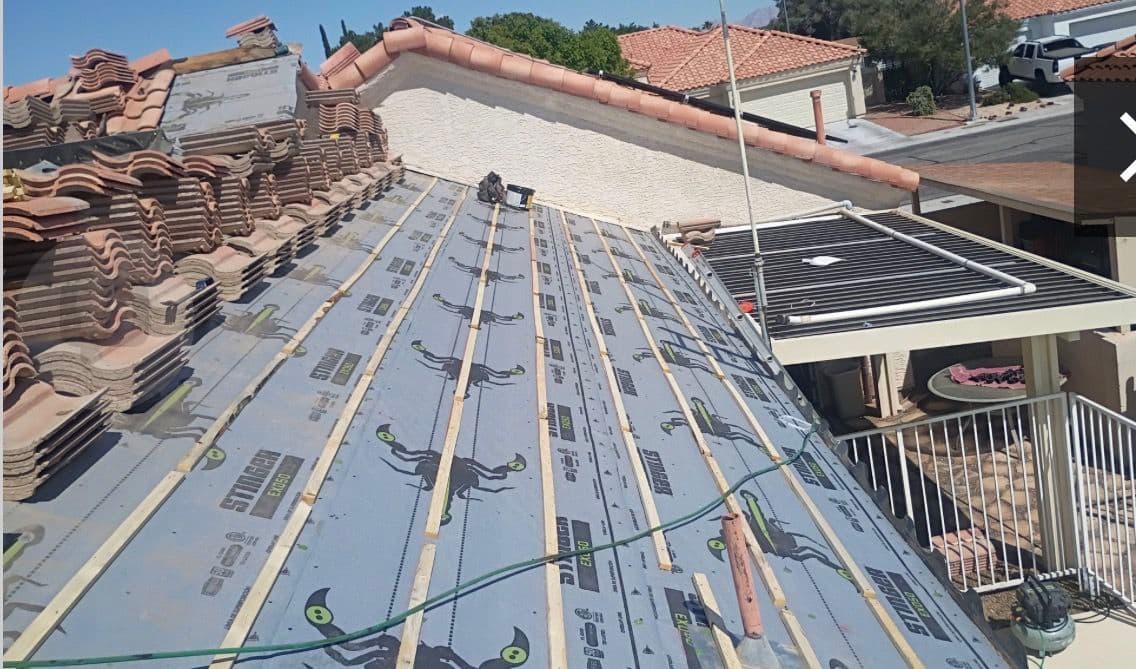
Here's what that process actually looks like. We pulled the tiles in the affected sections, stacked them carefully on-site so they could go right back on, stripped off the old underlayment, and started fresh. The decking got a good look too - we found a section that needed attention and addressed it before anything went back on. Fresh Stinger EX050 underlayment went down across the slope, battens were run clean and straight, and then the original tiles were reset course by course.
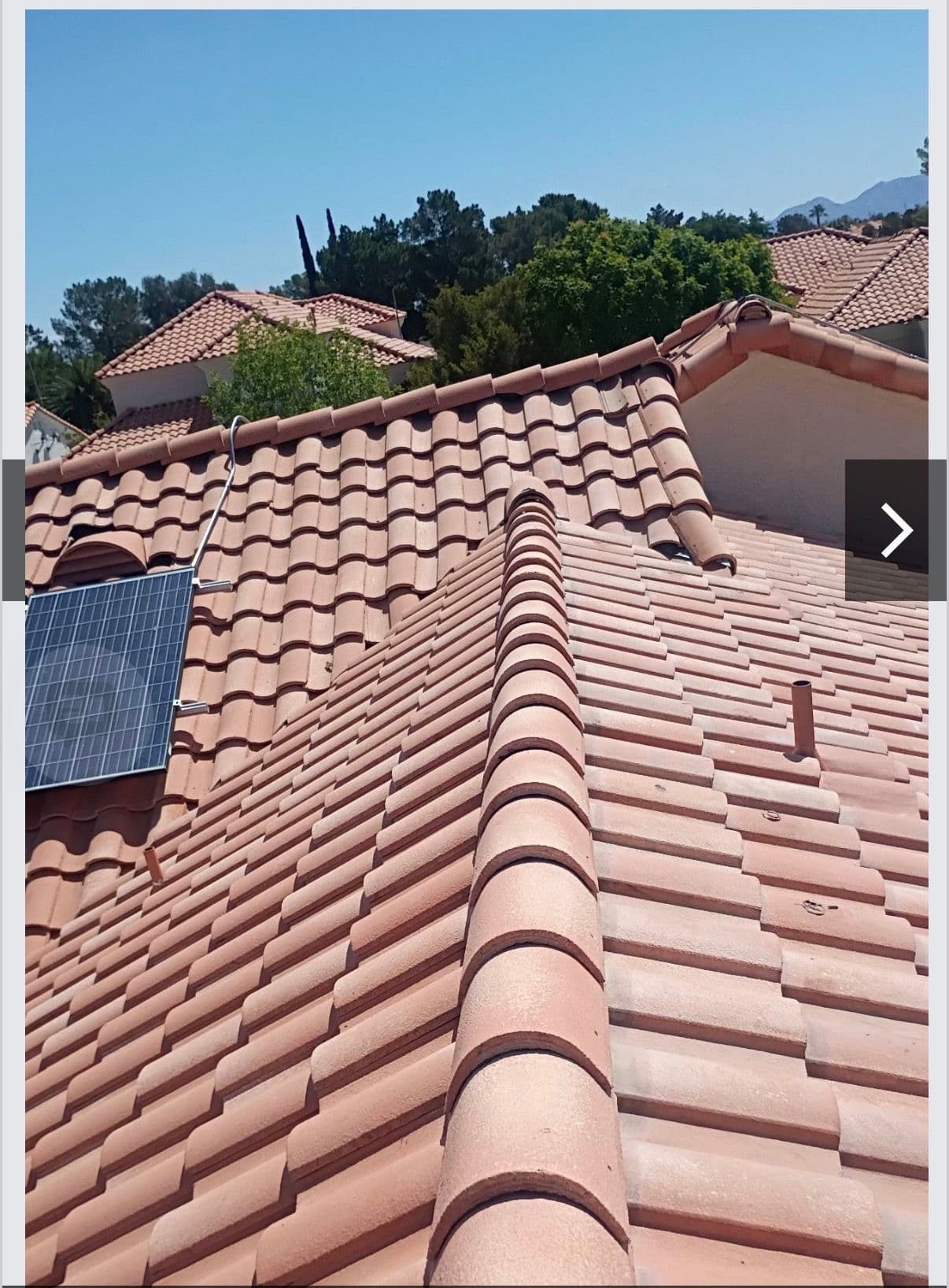
The solar panel section was one of the trickier spots. Tiles around panel mounts are easy to overlook, but they take the most foot traffic during installation and can shift or crack without anyone noticing until there's a leak. We made sure that area was fully addressed before closing everything back up.
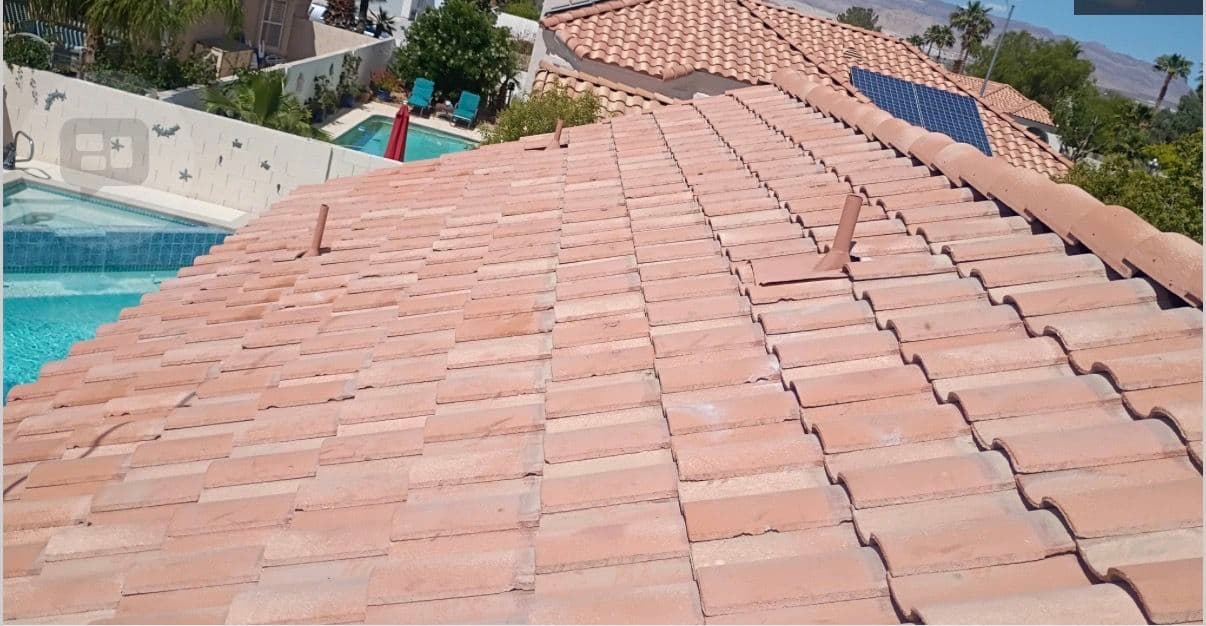
When the tiles went back down, the ridge line was reset clean and tight. The finished roof sits flat, the courses line up properly, and the whole thing looks the way it should. No wasted material, no unnecessary work - just the repair that was actually needed.
Tile roofs are built to last a long time, but the underlayment underneath them isn't. When you start seeing tiles shift, crack, or come loose - especially around solar panels or at the eaves - that's worth getting looked at. Sometimes it's a simple tile repair. Sometimes it's a partial reroof like this one. Either way, we'll give you a straight answer on what it actually needs.