Tile Lift and Reset on a Single-Story Home

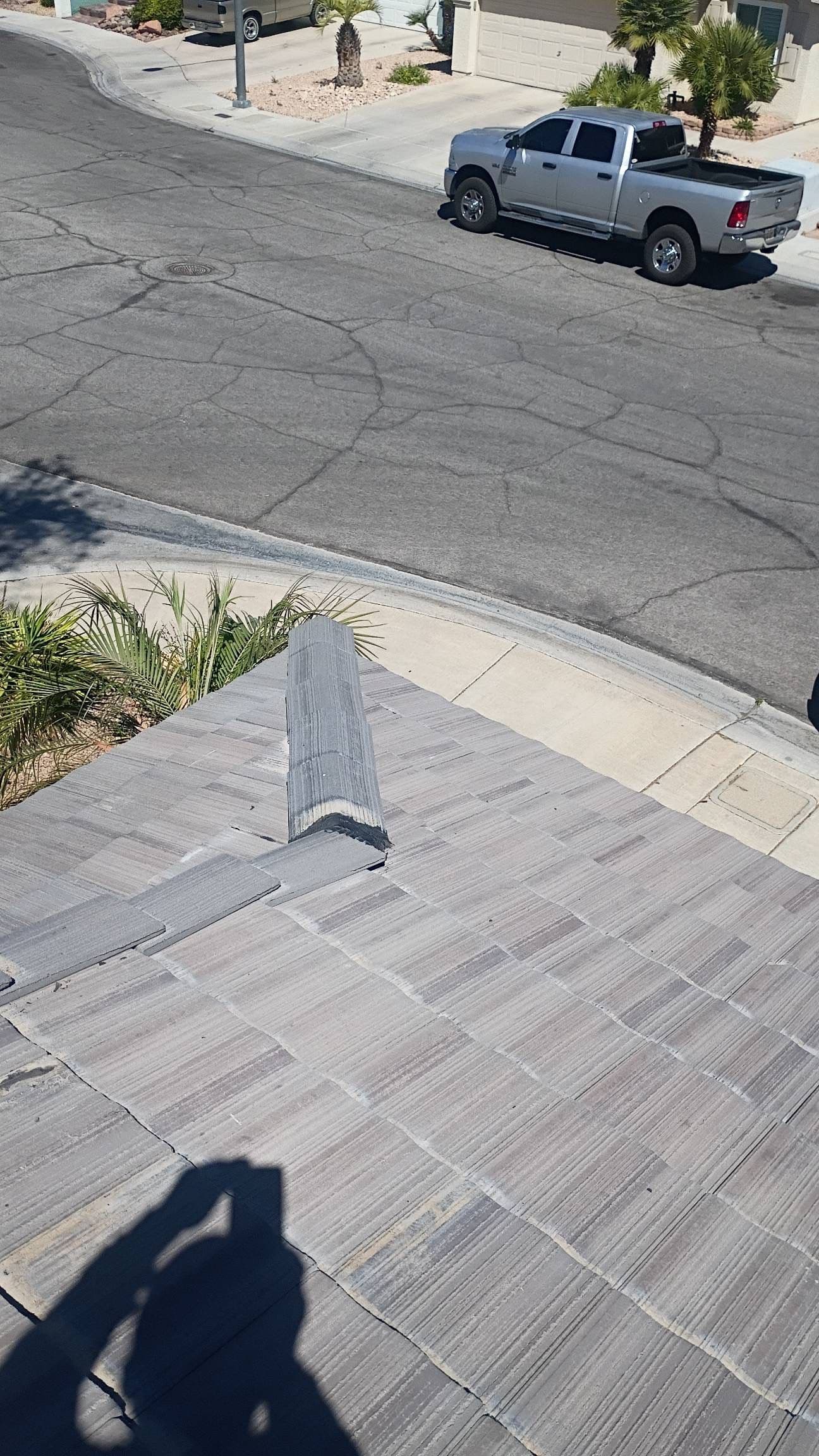
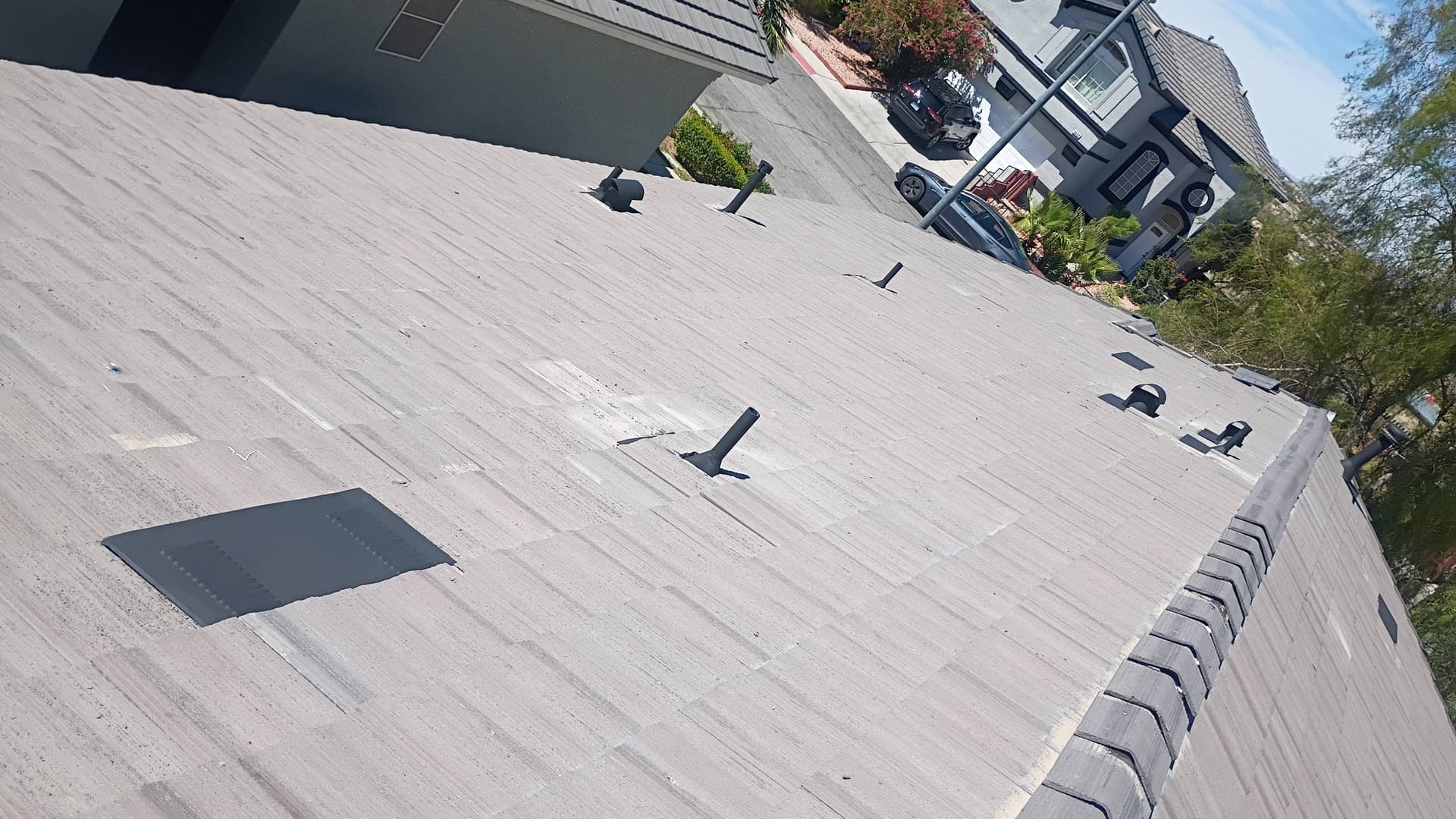
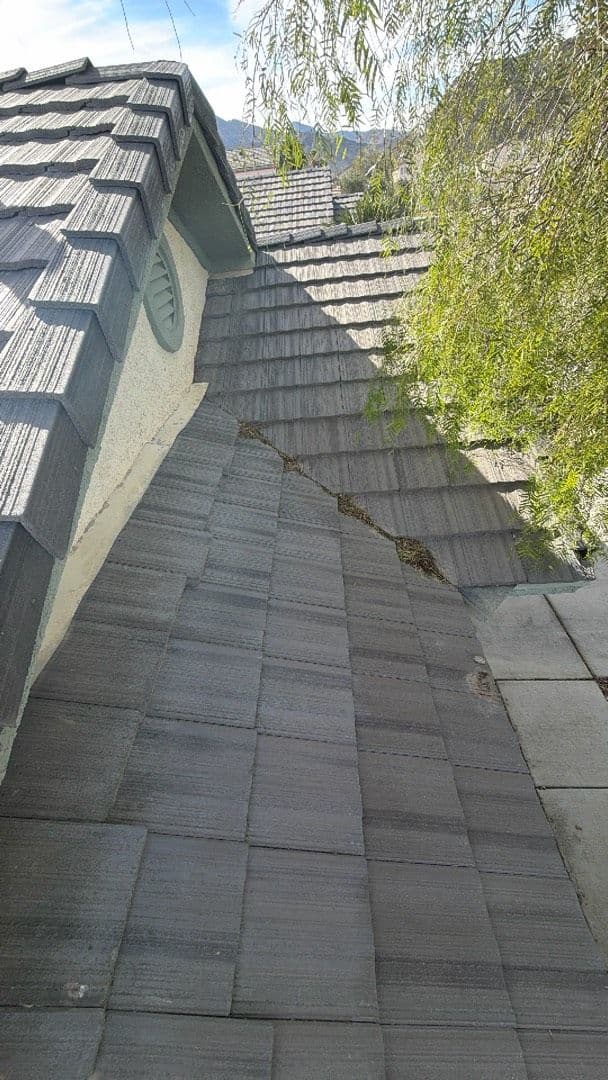
A tile lift and reset is one of those jobs that looks simple from the street but involves a lot of moving parts once you get up on the roof. The tiles are just the top layer. What's underneath - the felt, the decking, the flashing around every penetration - that's where the real work happens. If any of that is compromised, no amount of nice-looking tile on top is going to keep water out of your home.
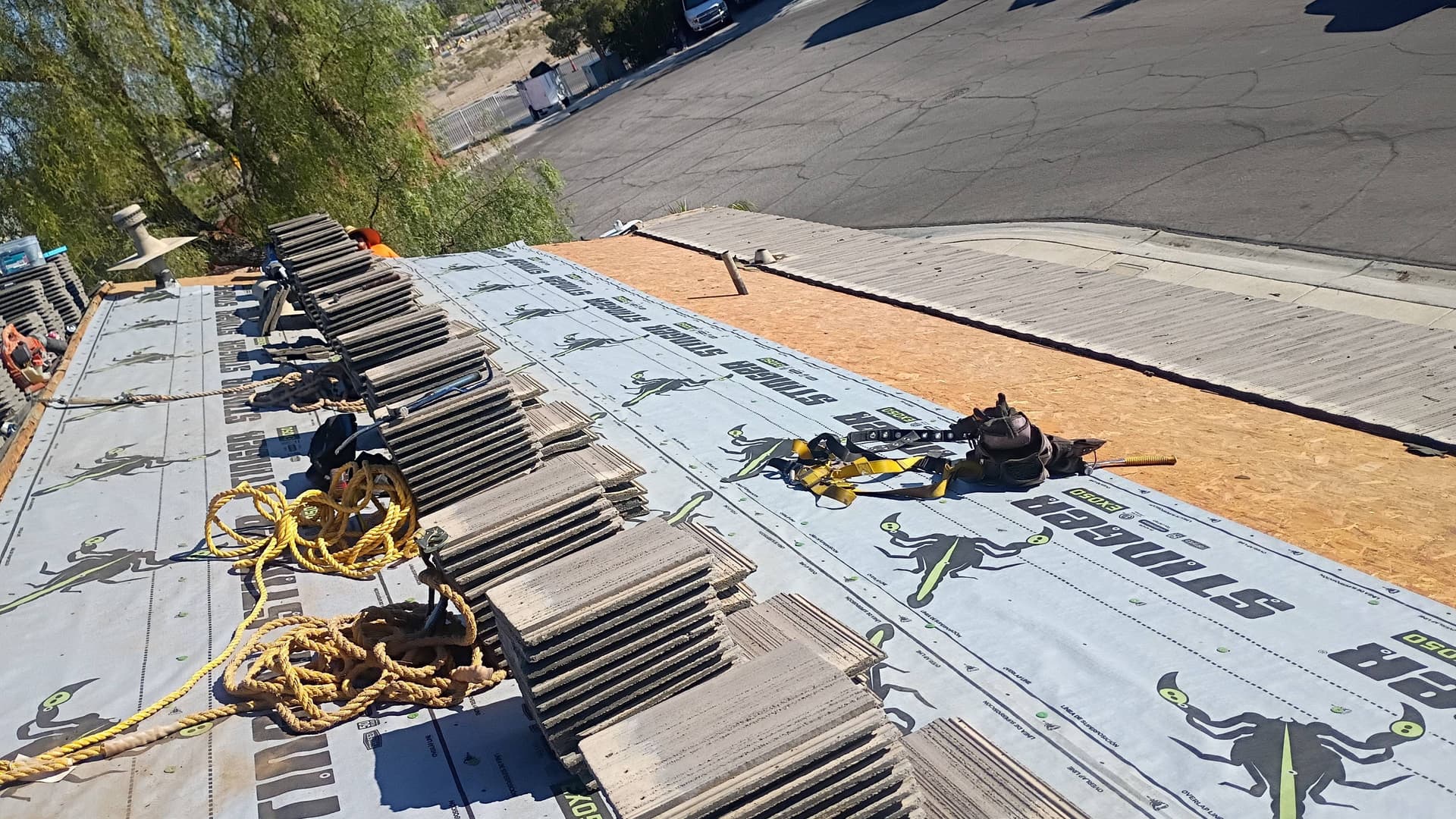
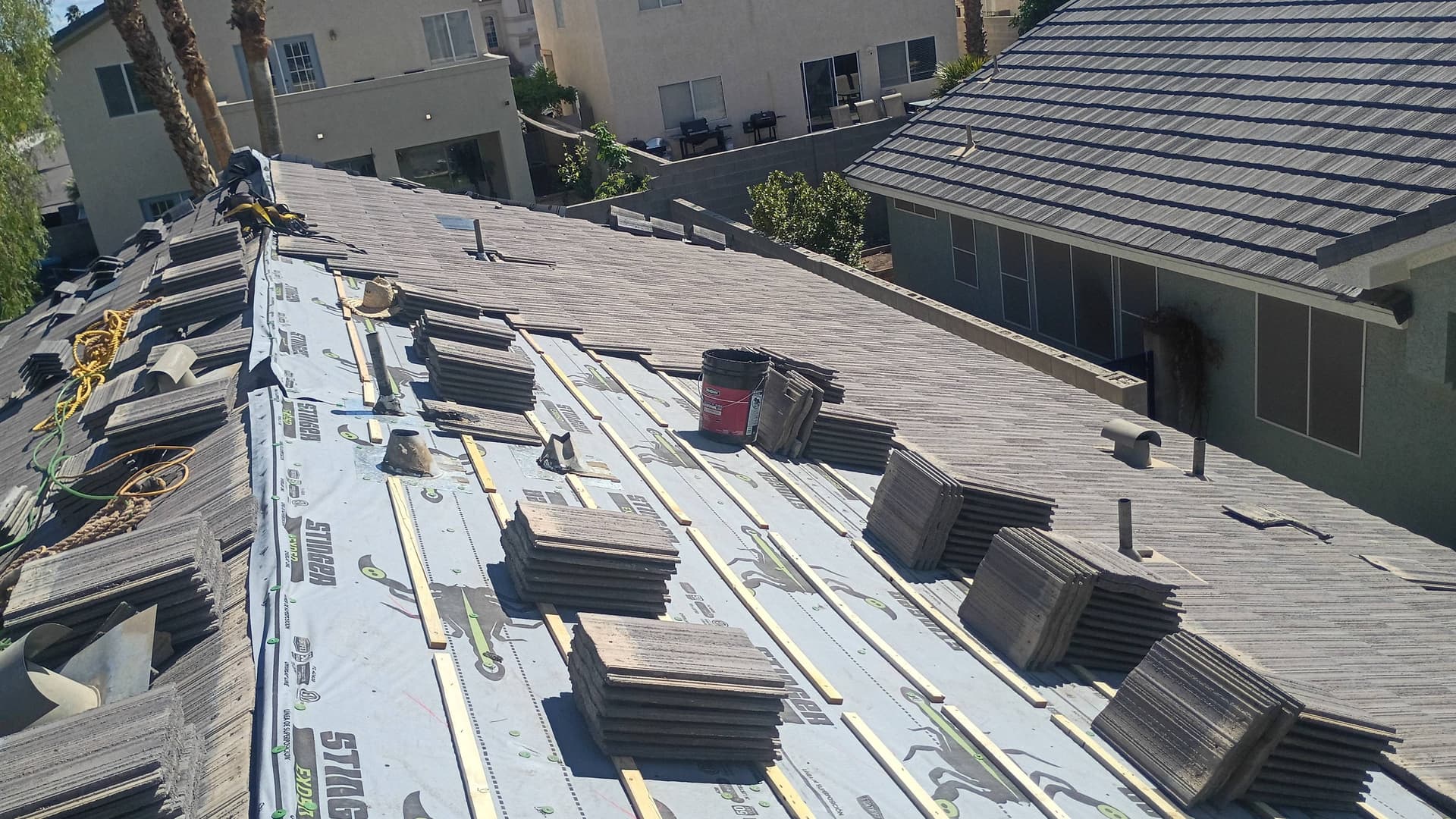
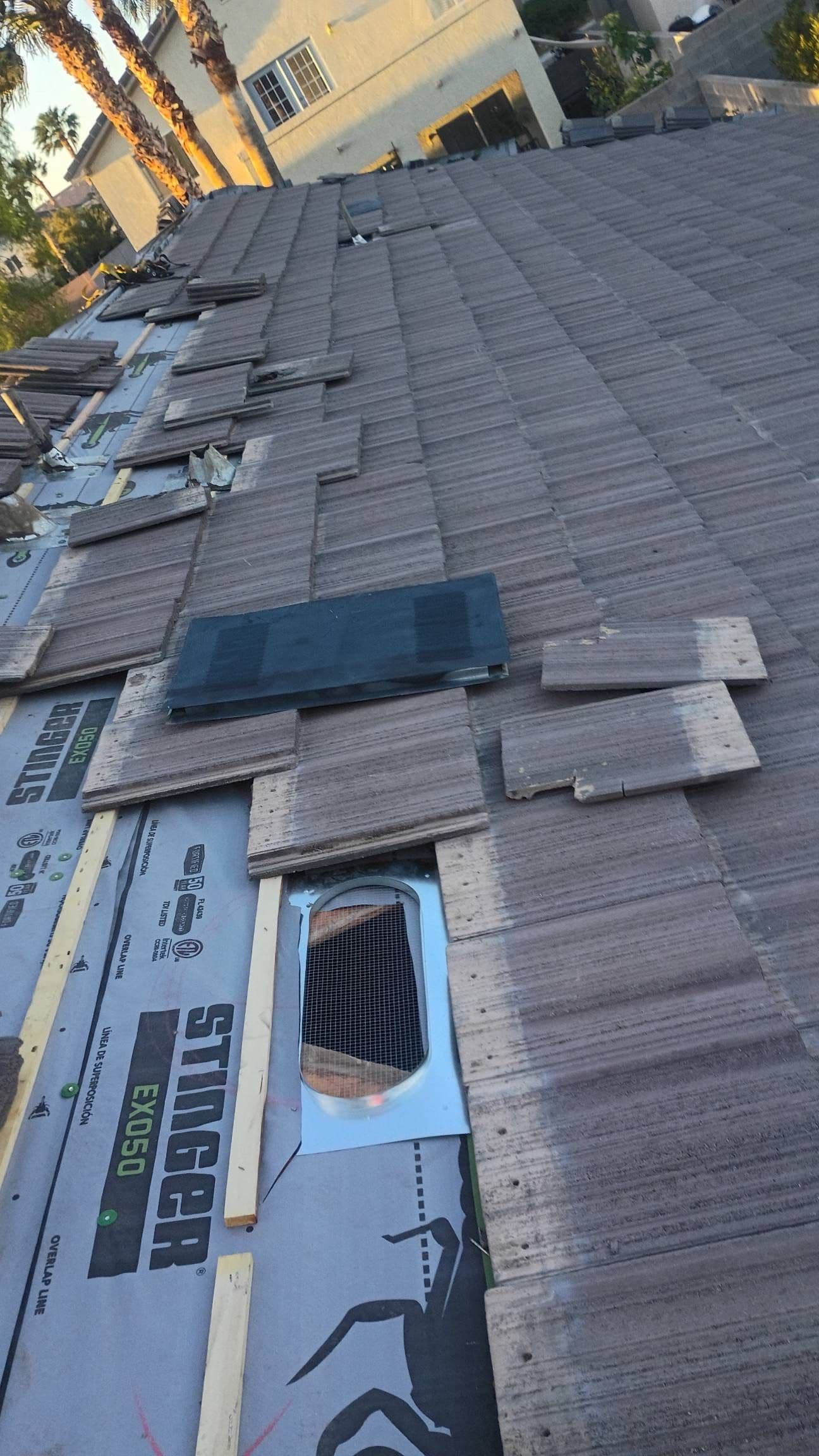
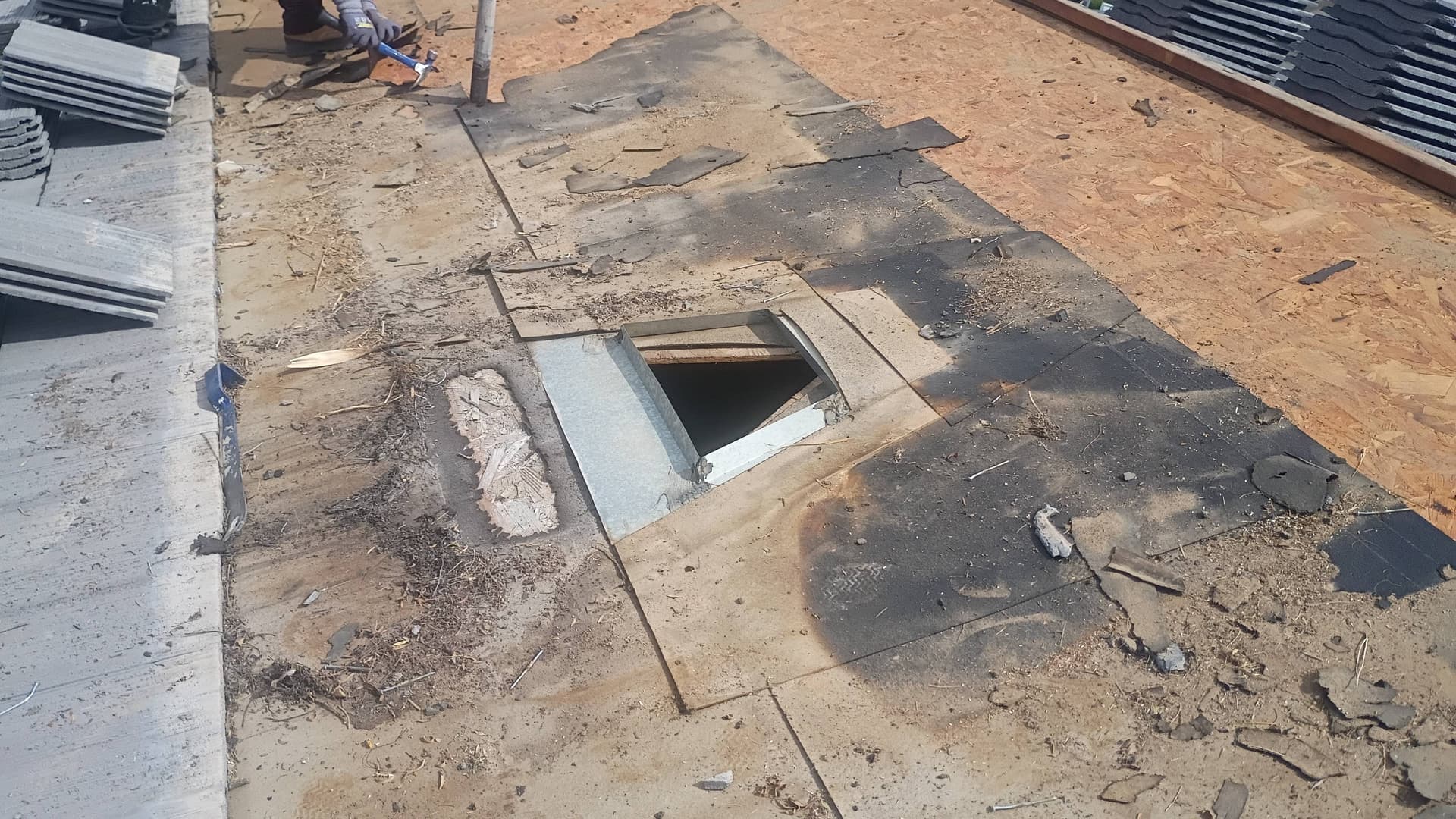
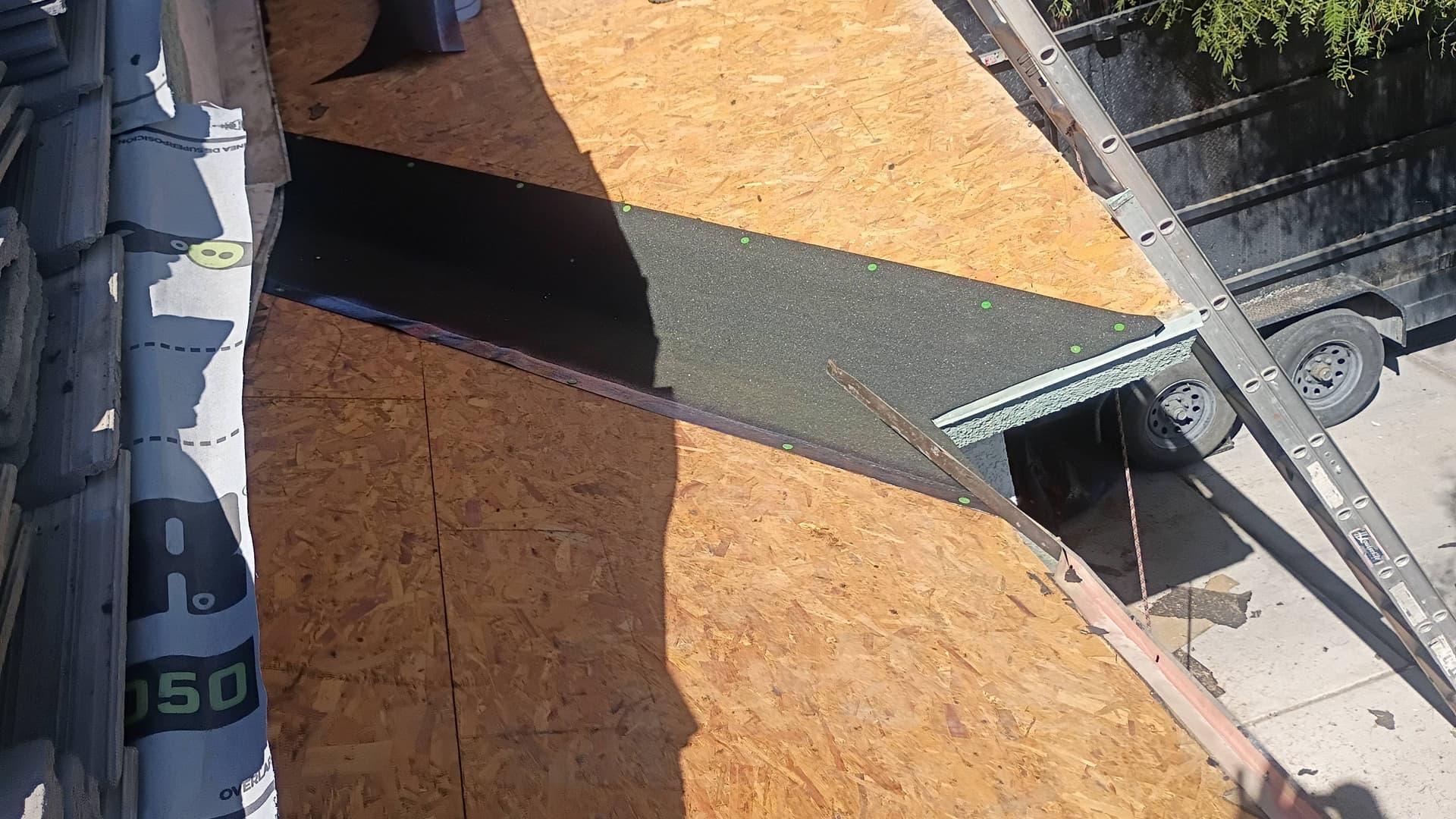
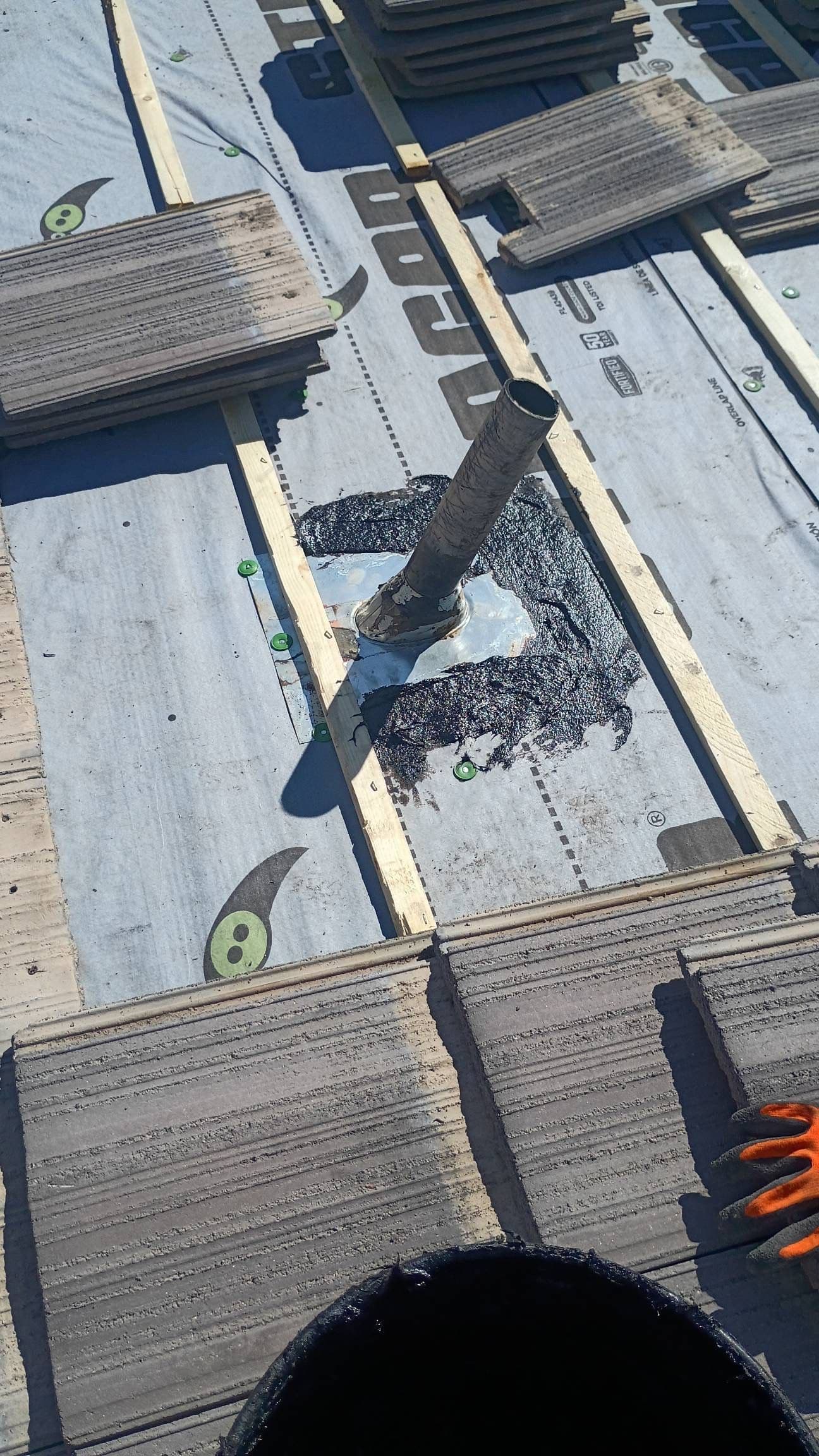
Here's what we were working with on this one. The tiles came off in sections so we could get a clear look at everything below. The old underlayment had seen better days, and there were areas around the vents and pipe penetrations that needed serious attention before anything went back on. We replaced the decking where it was damaged, laid down fresh Stinger EX050 underlayment, and properly sealed each penetration point with roofing cement before resetting a single tile.
The tile reset process is more involved than most people realize. Each tile gets stacked and staged on the roof in organized rows so nothing gets mixed up or damaged during reinstallation. Battens get set first to give every tile a solid, even seat. Then it's a row-by-row reset, making sure each piece locks in correctly. No shortcuts, no skipped steps.
We also took care of the flashing details - the eave edges, the valleys, the areas around vents. These spots are where most tile roofs develop leaks over time, especially as the original flashing ages and shifts. Getting those details right during a tile repair or reroof is what separates a roof that lasts from one that causes problems a couple years down the road.
The finished roof sits tight, clean, and properly protected from the ridge down to the eave line. That's what a tile lift and reset done right actually looks like - not just good-looking tiles, but a solid system underneath them.