Full Shingle and Flat Roof Replacement Done Right
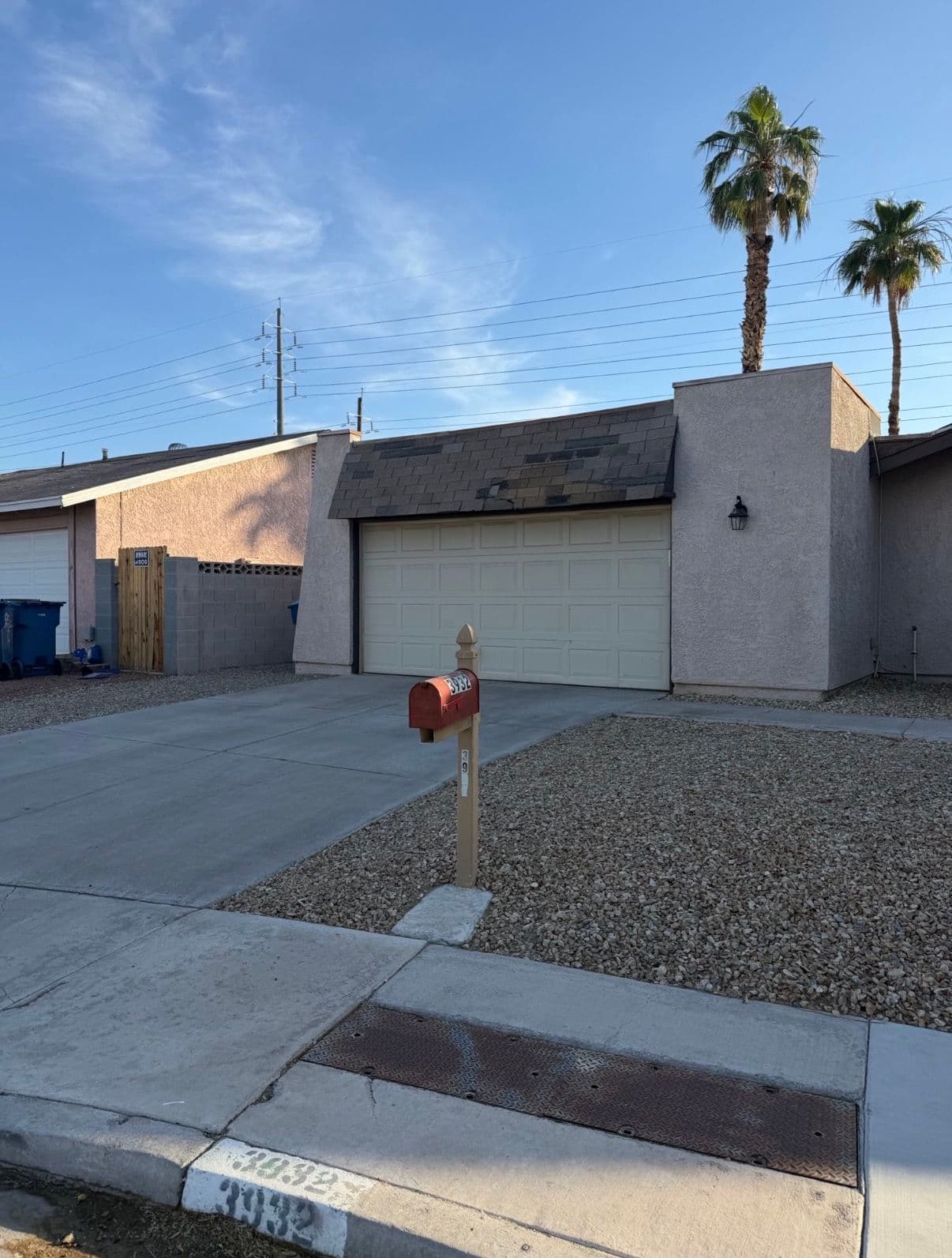
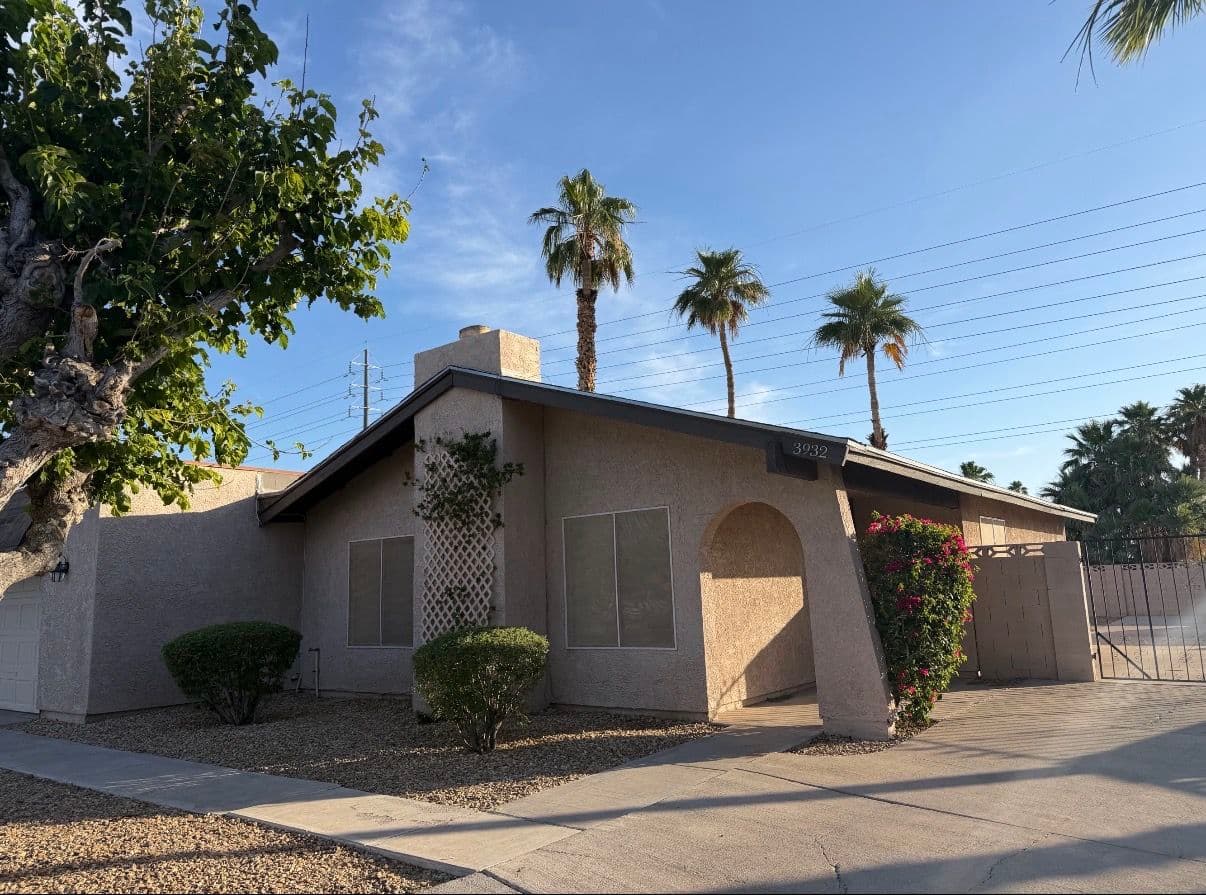
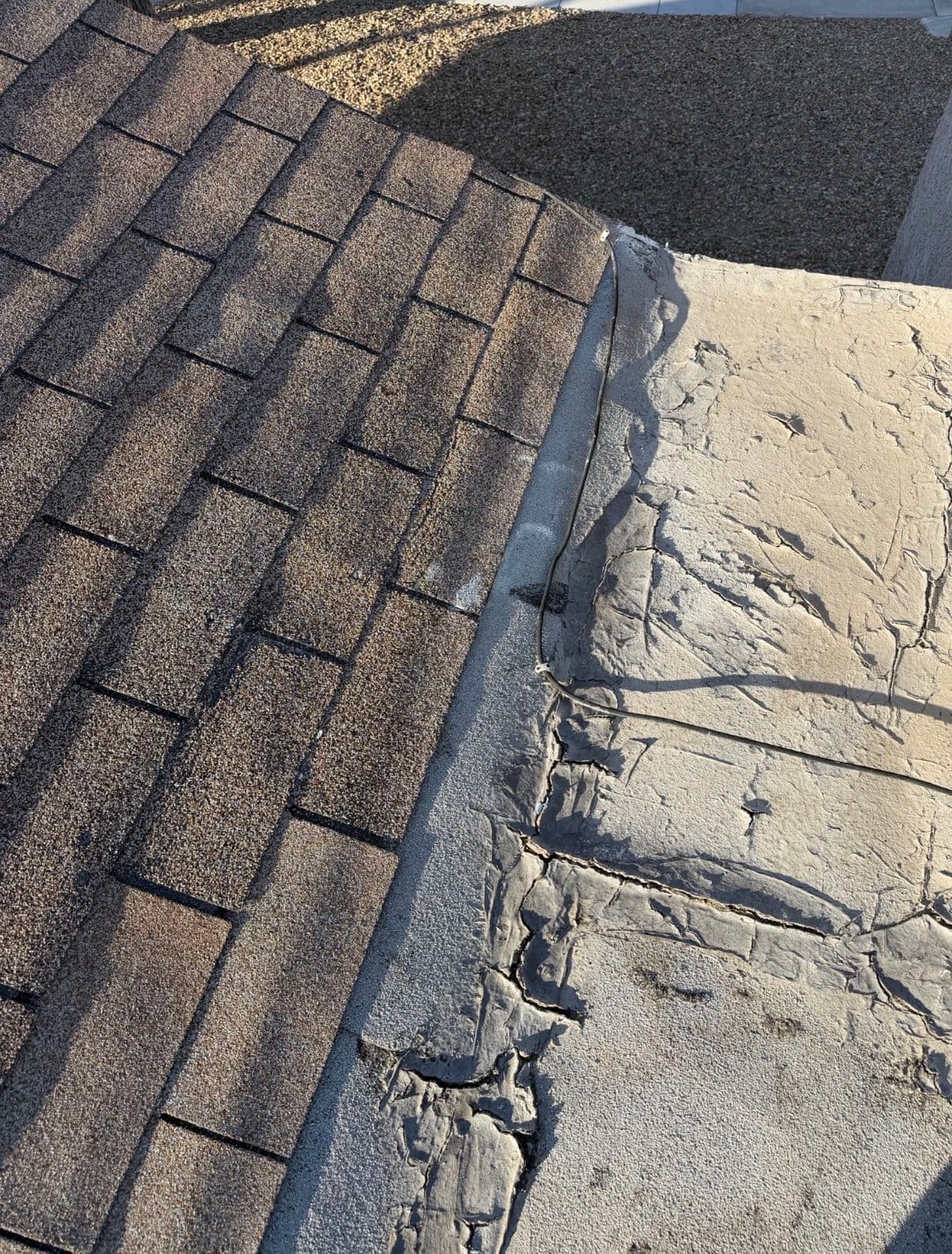
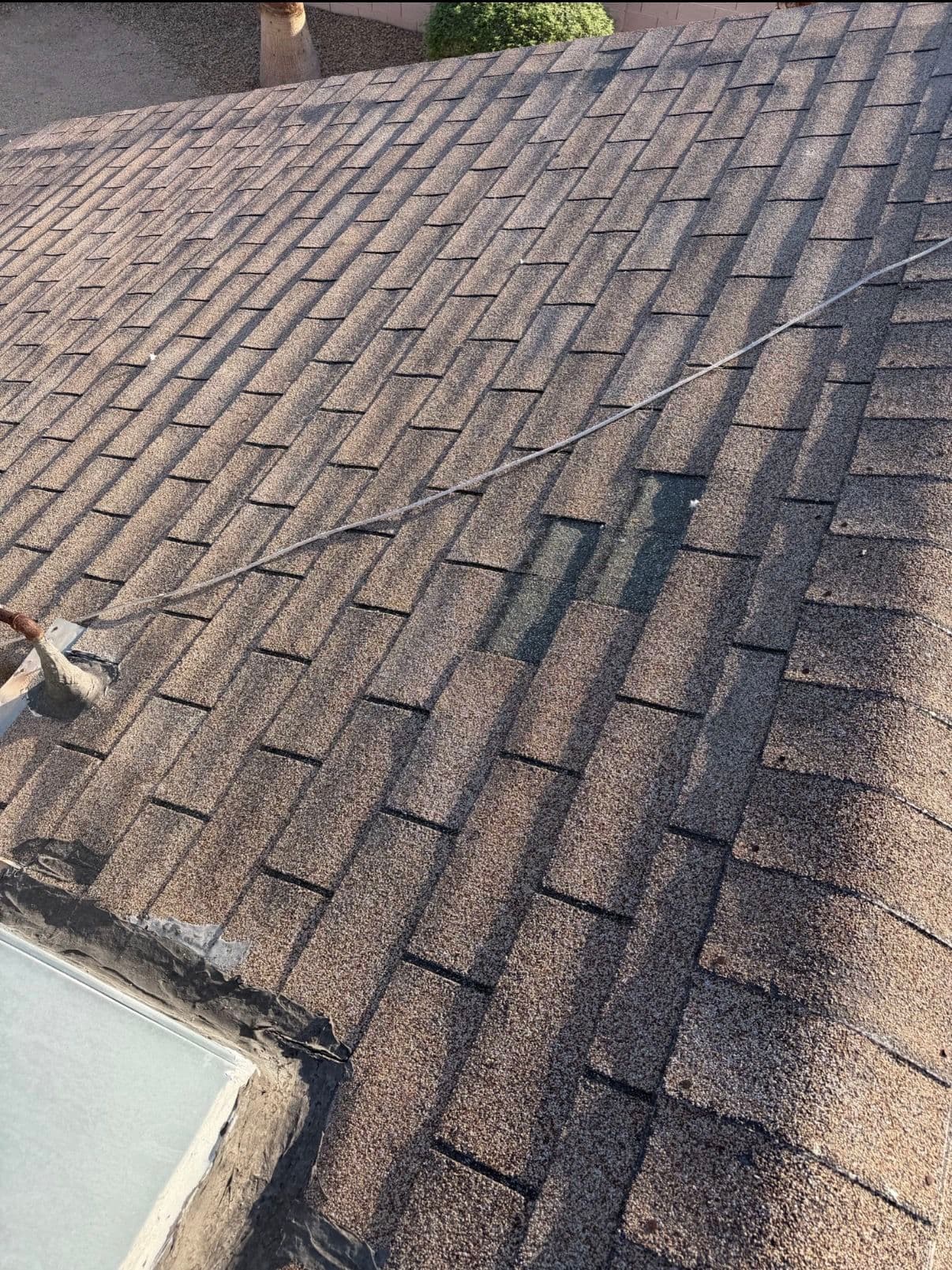
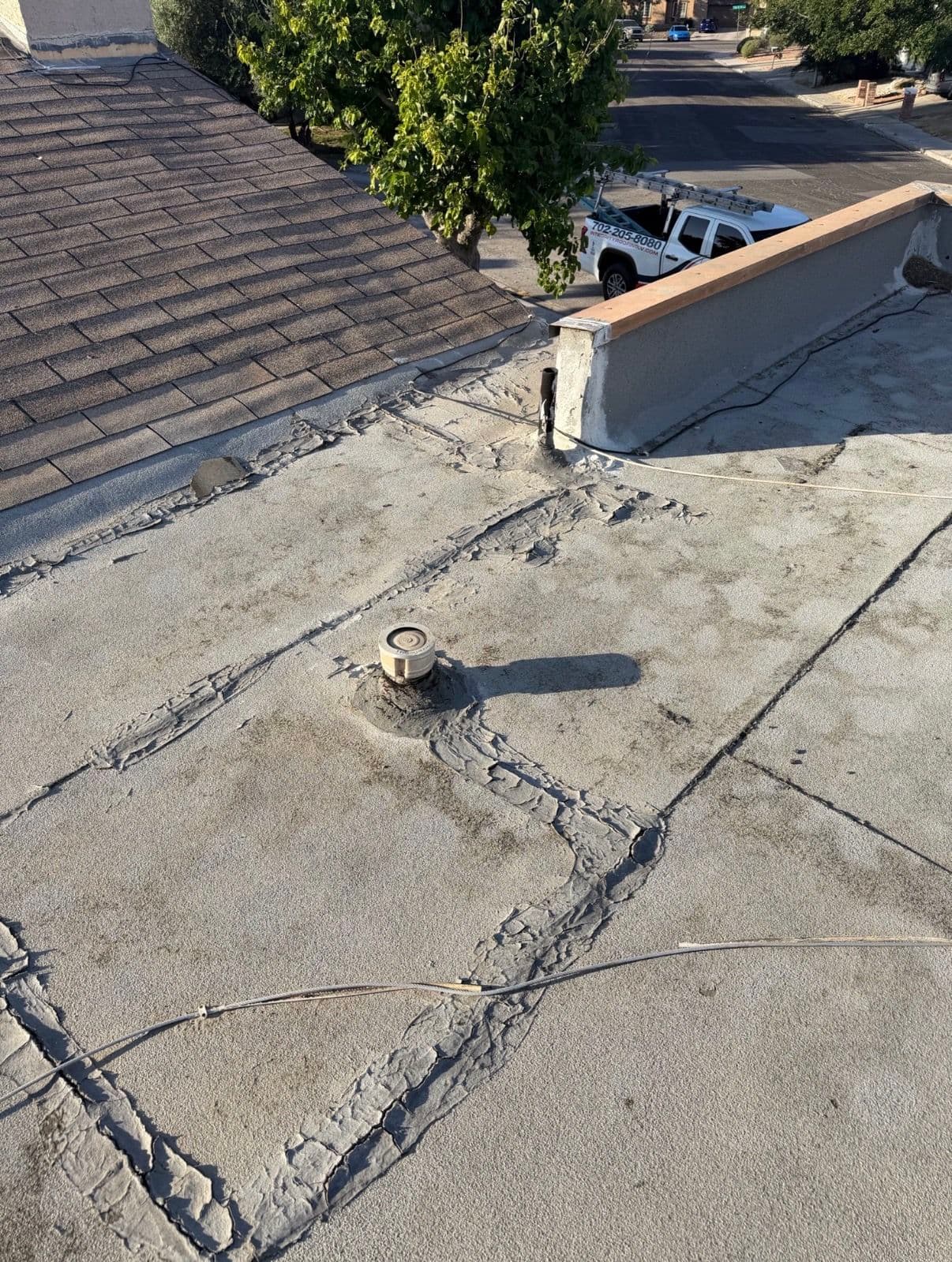
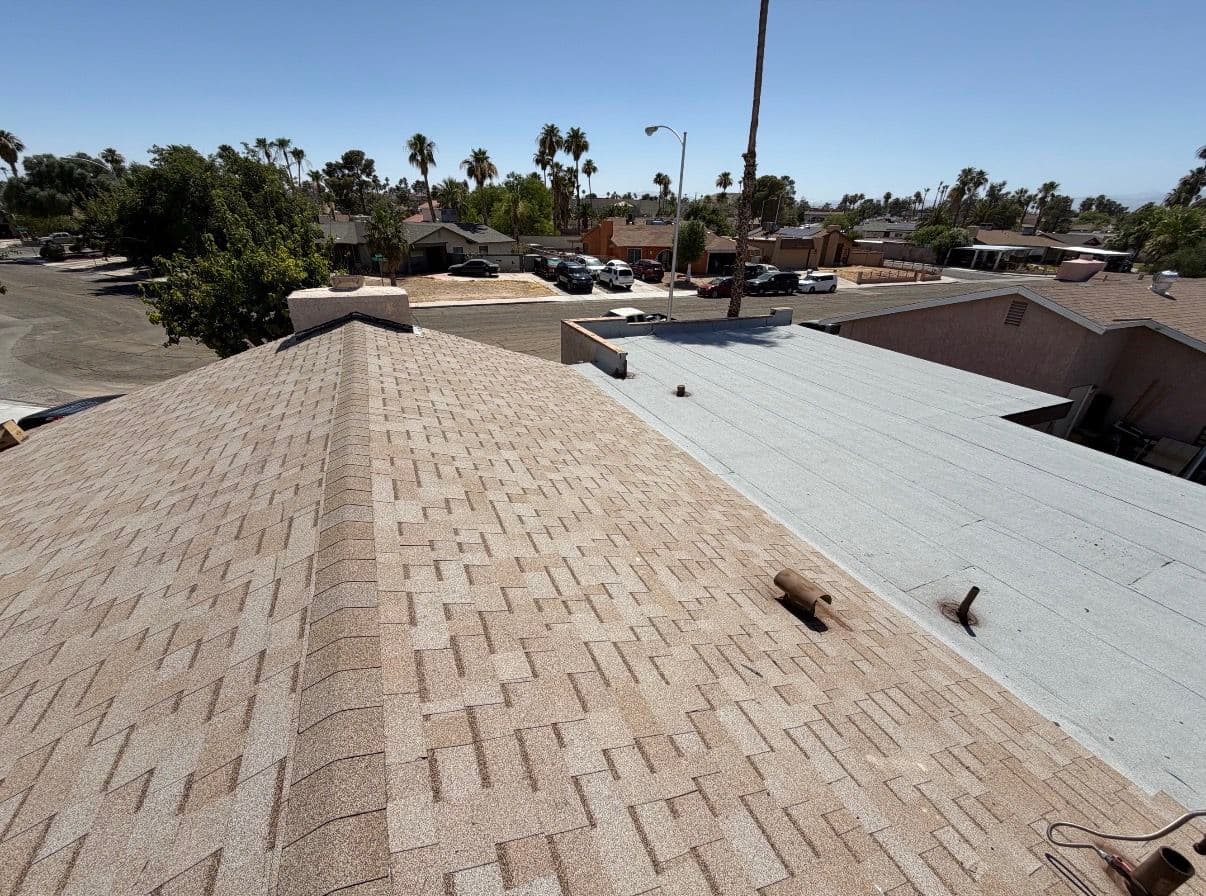
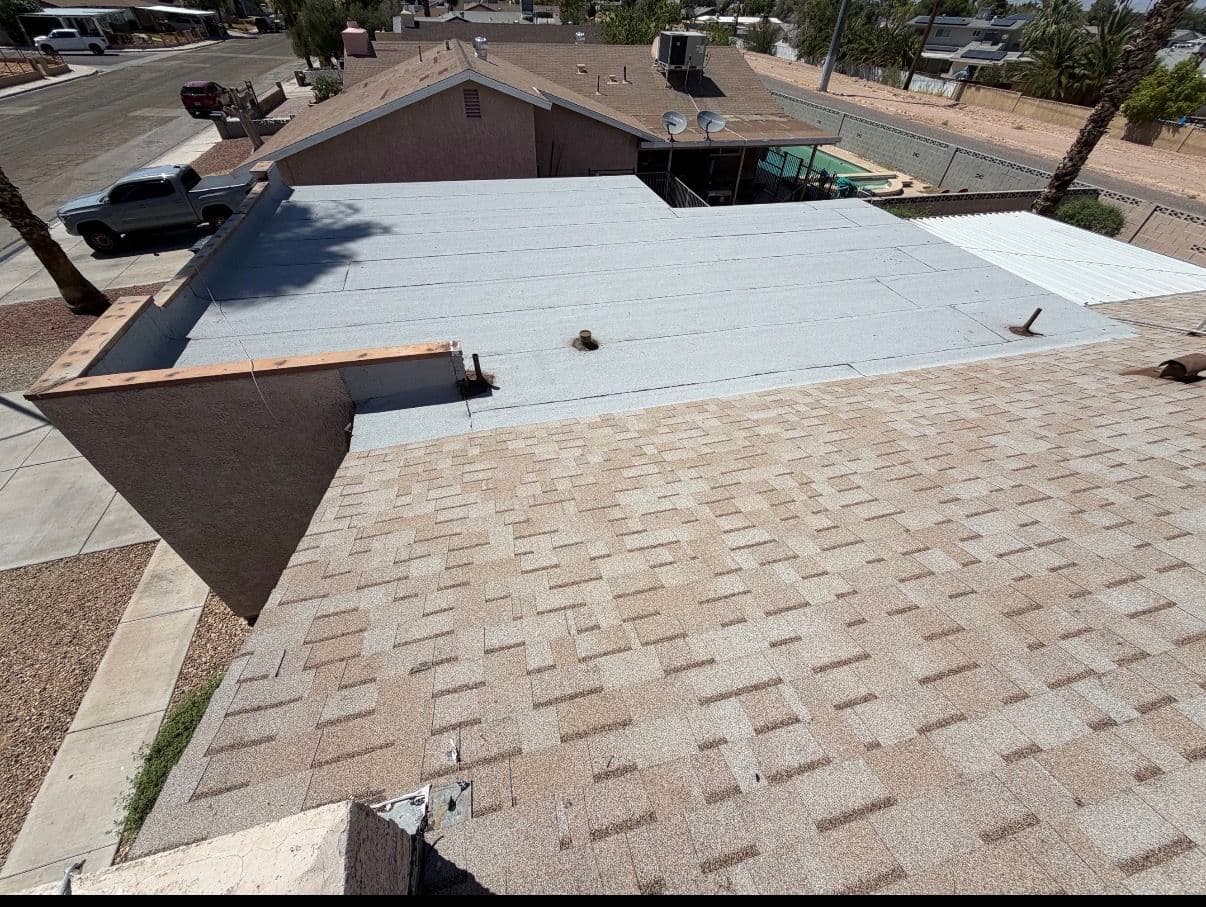
This one had two different roofing systems that both needed to go. The shingle section was worn out - granule loss, failing edges, and sheathing underneath that had seen better days. The flat section wasn't far behind. Cracking, separation at the seams, and surface deterioration that was well past the point of patching. Two problem areas, one job.
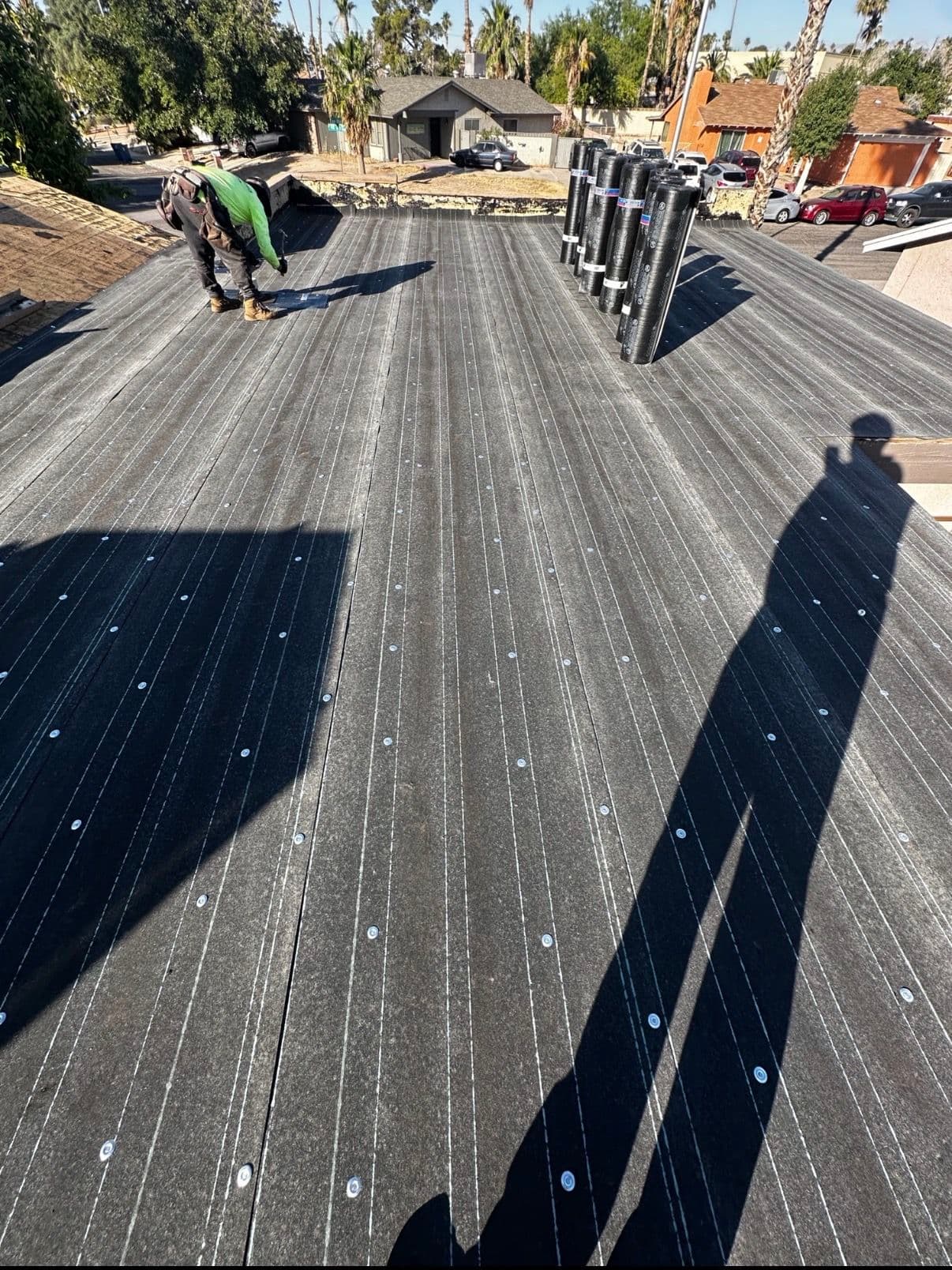
Before any new material goes down, the foundation underneath has to be solid. Where we found damaged sheathing, we pulled it and replaced it. There's no point in installing a new roof over a weak deck - it just pushes the problem down the road. Getting that base right is the part most homeowners never see, but it's the part that actually determines how long the new roof holds up.
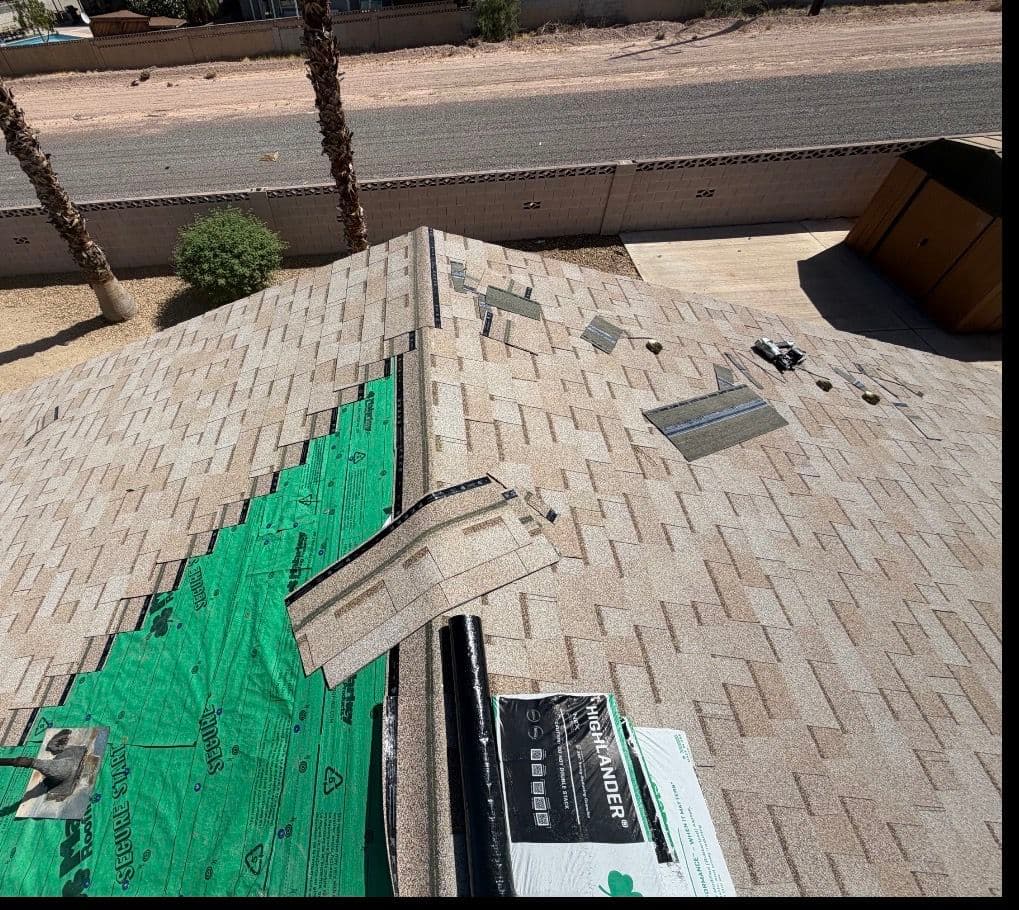
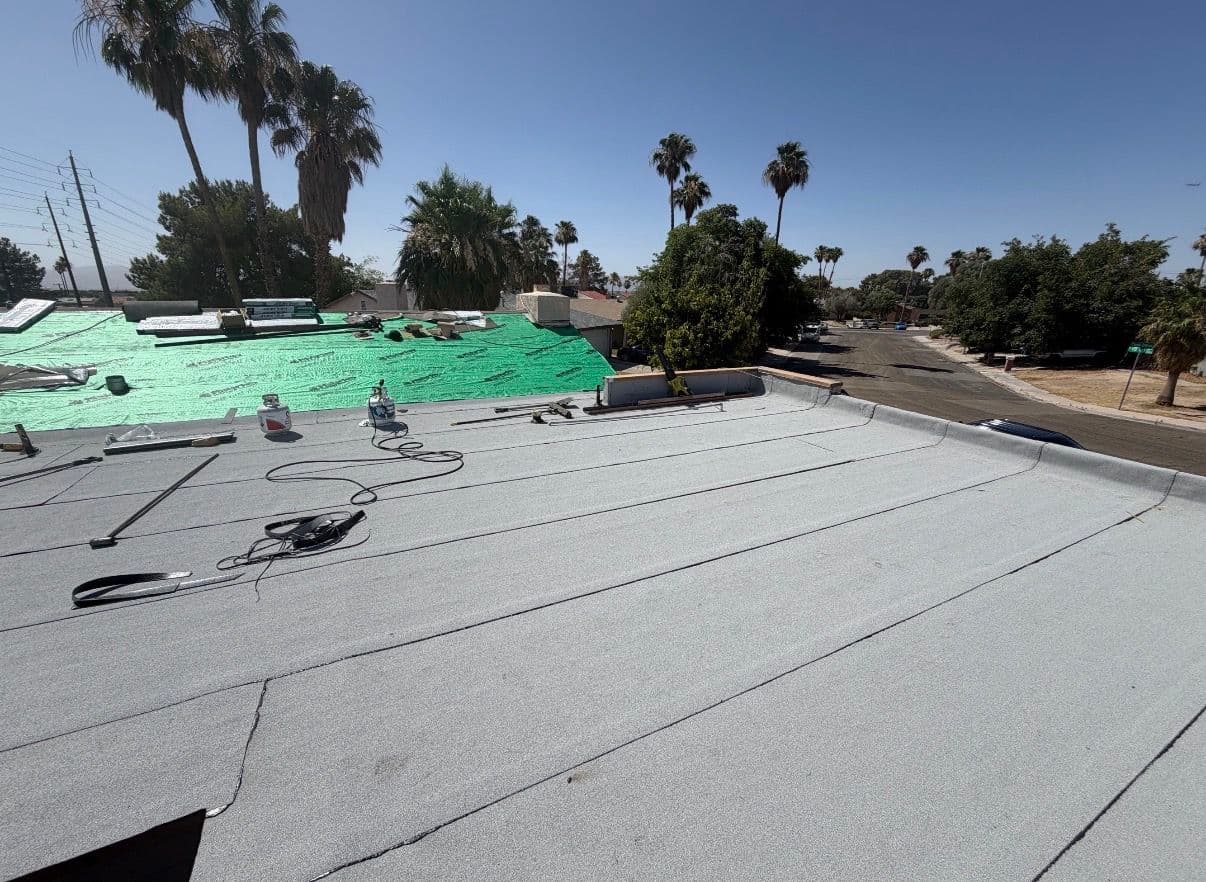
For the shingle section, we used quality architectural shingles laid over proper underlayment. You can see the green synthetic underlayment going down before shingles are set - that's a critical moisture barrier that works alongside the shingles, not just under them. For the flat section, we went with torch down. It's one of the most reliable systems for flat residential roofs in hot, dry climates. When it's installed correctly, it bonds tightly to the deck and holds up against heat and UV exposure far better than older materials.
We do these combination jobs a lot. Homes with both pitched and flat sections require two different skill sets and two different material systems. Cutting corners on either side creates weak points. We treat each section for what it is and make sure the transition between them is sealed and secure.
The finished product is a roof that isn't just new on the surface - it's built correctly underneath. That's the difference between a roof that lasts and one that has you calling for repairs in a few years. If your roof is showing similar signs of wear on either a shingle or flat section, it's worth getting eyes on it before small problems become bigger ones.